
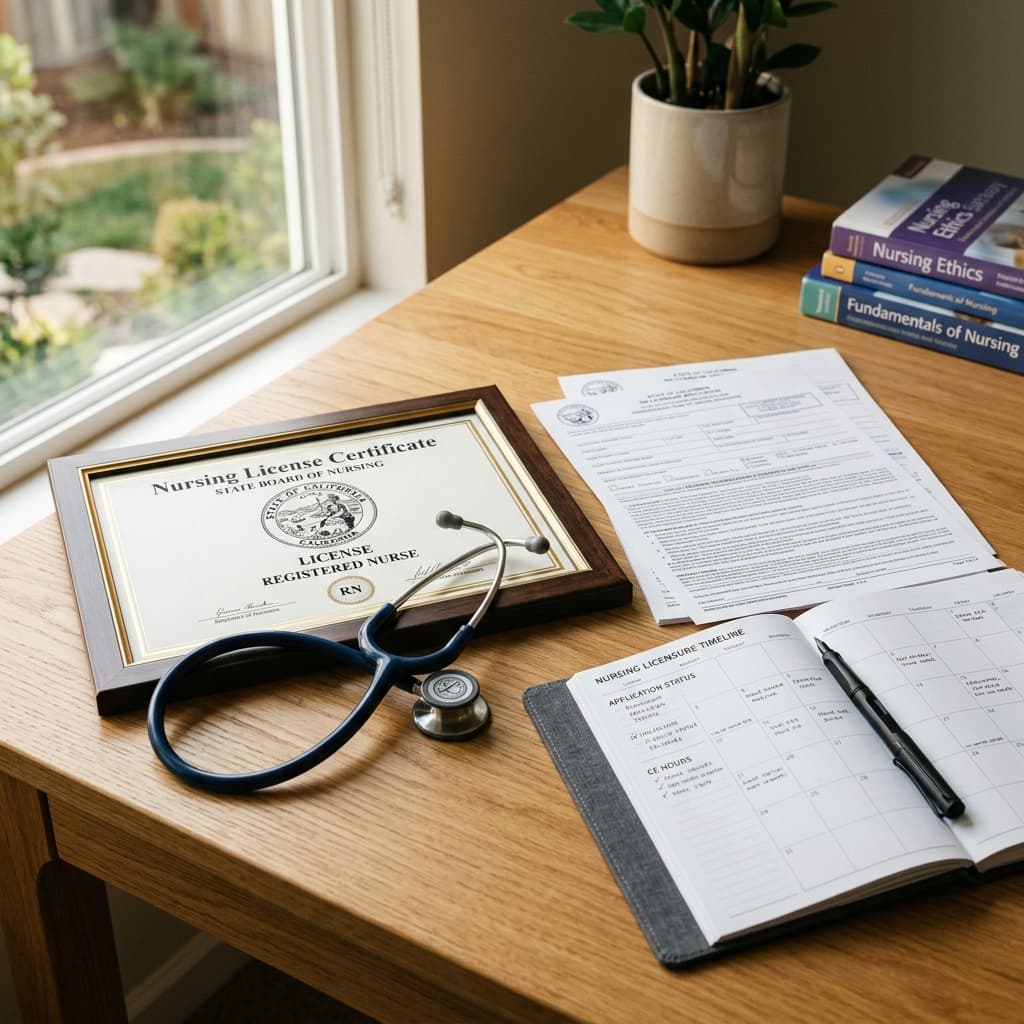
Key Takeaway: South Carolina is a Restricted Practice state requiring a physician collaborative agreement. Expect Schedule II narcotics limited to a 5-day supply and a separate prescriptive authority application with its own Board of Nursing fee (requiring 45 hours of pharmacotherapeutics). As of September 30, 2026, HRSA's shortage-area data shows only 32.7% of assessed need met in the state's designated mental health shortage areas, with 233 practitioners needed, so demand is high, but the regulatory structure needs careful attention. For pay, see current advertised pay for PMHNPs in South Carolina.
If you are a Psychiatric-Mental Health Nurse Practitioner (PMHNP) considering practicing in South Carolina, you are entering a state with a significant need for behavioral health professionals. HRSA, which designates Mental Health Professional Shortage Areas, reports that, as of September 30, 2026, South Carolina meets only 32.71% of the assessed mental health need in its designated shortage areas and requires an additional 233 practitioners to eliminate its designated HPSAs.
While the state utilizes a restricted practice model requiring a collaborative agreement with a physician, the demand for psychiatric care keeps compensation competitive for PMHNPs. Here is your complete, step-by-step guide to obtaining your PMHNP license and prescriptive authority in the Palmetto State for 2026.
Quick Reference Table
| Category | South Carolina PMHNP Details |
|---|---|
| Practice Authority Type | Restricted Practice |
| Governing Board | South Carolina Board of Nursing |
| Initial License Fee | Set by the SC Board of Nursing: $140 for APRN licensure by endorsement ($150 with a temporary license), or $30 to update a current South Carolina RN license to an APRN license, plus $20 for Prescriptive Authority |
| Renewal Period & Fee | Every 2 years (April 30 of even years) |
| CE Hours Required | Every 2 years: one continued competency option (such as 30 contact hours or current national certification), plus 20 hrs in pharmacotherapeutics for prescribers, 2 of which must cover prescribing controlled substances |
| NLC Compact State? | ✅ Yes |
| APRN Compact? | ❌ No |
| PMHNP Pay | See current advertised pay in South Carolina |
| Prescriptive Authority | Yes, physician-supervised (separate application; Schedule II narcotics limited to 5-day supply) |
Step-by-Step Licensure Guide
South Carolina handles APRN licensure and Prescriptive Authority as two separate applications. Out-of-state nurses applying by endorsement can typically expect processing of 2+ weeks.
Step 1: Complete MSN or DNP with PMHNP Focus
Graduate with a master's degree or higher from an accredited advanced, organized formal education program.
Step 2: Pass the ANCC PMHNP-BC Exam
You must hold current specialty certification. New graduates must provide evidence of certification within one year of program completion. The ANCC sets the exam fee and discounts it for members of the ANA and the AANP. Verify the current amount with the ANCC before you apply.
| Membership Status | ANCC Exam Fee |
|---|---|
| Non-member | $395 |
| ANA member | $295 |
| AANP member | $340 |
Learn more about the PMHNP-BC credential
Step 3: Apply for Your SC RN License
South Carolina is a Nurse Licensure Compact (NLC) state. If your primary state of residence is another NLC state, your multistate RN license is valid here. Otherwise, apply by endorsement via the Nursys system.
Step 4: Apply for Your SC APRN License
Submit the APRN License by Endorsement application to the SC Board of Nursing.
| Item | Cost (set by the SC Board of Nursing) |
|---|---|
| APRN License Fee | $140 by endorsement ($150 with a temporary license) |
| Documents required | Passport-style photo + official transcripts + fingerprint background check |
Step 5: Establish a Collaborative Agreement with a Physician
Provide evidence of a practice agreement with a physician who is readily available for consultation.
- Must be reviewed annually
- A physician may not have practice agreements with more than the equivalent of six full-time NPs, CNMs, CNSs, and PAs combined unless the Board of Medical Examiners approves an exception
Step 6: Apply for Prescriptive Authority & DEA Registration
Prescriptive Authority is a separate application with an additional fee, currently $20, set by the SC Board of Nursing. Verify the current amount with the board before you apply.To qualify initially, submit certificates of completion for:
- 45 hours of pharmacotherapeutics (15 must be in controlled substances)
After Board approval, apply for your federal DEA registration. The DEA sets that fee, currently around $888 for a three-year term; verify the current amount with the DEA before you apply.
Step 7: Apply for an NPI Number
Obtain your National Provider Identifier (NPI) via the CMS NPPES system (Free).
SC Practice Authority Details
Current status: South Carolina operates under a Restricted Practice model. Collaborative agreement requirements:APRNs must maintain a practice agreement with a physician. This document outlines delegated medical acts and how consultation will be provided. It must be reviewed annually.
Physician-to-NP ratio:A physician may not have practice agreements with more than the equivalent of six full-time NPs, CNMs, CNSs, and PAs, or work with more than six of them at any one time, unless the Board of Medical Examiners approves an exception (S.C. Code 40-47-195).
NPs not defined as primary care providers:South Carolina law does not define NPs as primary care providers.
Day-to-day impact: Unless your practice agreement says otherwise, South Carolina law lets you pronounce death and sign death certificates, execute do not resuscitate orders, and certify a disability for a parking placard application (S.C. Code 40-33-34(D)(2)).
Prescriptive Authority in SC
What can PMHNPs prescribe?If designated in your practice agreement and approved by the Board, you can prescribe, administer, and dispense therapies, legend drugs, and controlled substances.
Schedule II-V rules with strict limits:| Schedule | Supply Limit |
|---|---|
| Schedule II narcotics | 5-day supply |
| Schedule II non-narcotics | 30-day supply |
| Schedule III-V | Standard prescribing |
You cannot prescribe independently. All prescribing must align with your written physician protocols. Prescriptive authority requires a separate application from your APRN license.
Telehealth Rules in SC
Can PMHNPs do telehealth?Yes. South Carolina maintains an active statewide telehealth network with live video reimbursement.
Out-of-state requirements:South Carolina is an NLC member. However, the APRN Compact is not enacted, so out-of-state PMHNPs must obtain a single-state SC APRN license to treat patients in SC via telehealth.
Controlled substance teleprescribing:Under the DEA's fourth temporary telemedicine rule, DEA-registered practitioners can prescribe Schedule II to V controlled substances by telemedicine without a prior in-person evaluation through December 31, 2026. Check the DEA for an extension or a final rule before relying on it after that date. Medicare's separate telehealth flexibilities run through December 31, 2027, and South Carolina law still applies.
Browse telehealth PMHNP jobs or remote positionsSalary & Job Market
What the Role Pays
Pay varies by setting and by employer. Instead of quoting a fixed average, we publish a median of advertised pay drawn from live South Carolina listings: see current advertised pay for PMHNPs in South Carolina.
See our full 2026 PMHNP Salary Guide for national comparisonsTop Metro Markets
- Charleston: MUSC hub and academic medical center
- Chapin: Small Midlands market near Columbia
- Columbia: State capital, Prisma Health base
- Greenville: Upstate SC growing market
- Myrtle Beach: Coastal demand plus seasonal population
Demand Data
Figures below come from HRSA's designated Mental Health Professional Shortage Area statistics, as of September 30, 2026.
| Metric | South Carolina Data |
|---|---|
| Share of need met in designated shortage areas | Only 32.71% |
| Mental Health HPSAs | 101 designated areas |
| Additional practitioners needed | 233 to remove the shortage designations |
Major Employers
- MUSC Health: Charleston-based academic medical center
- Prisma Health: Largest health system in SC (Greenville and Columbia)
- Roper St. Francis Healthcare: Charleston area
- VA Health System: Columbia and Charleston
- SC Dept of Mental Health: Statewide community MH centers
Loan Repayment & Incentive Programs
Practicing in South Carolina's shortage areas unlocks loan forgiveness. South Carolina AHEC, a state agency, administers the state incentive program below, and HRSA sets the National Health Service Corps awards. Both change between funding cycles, so verify the current amount with the administering body before you apply.
| Program | Award Amount | Service Requirement |
|---|---|---|
| SC AHEC Rural Behavioral Health Professional Incentive Program | Up to $15,000 per year full-time, up to four years | Four years of outpatient practice in a non-urbanized area |
| NHSC SUD Workforce LRP | Up to $75,000 | 3 years full-time at an NHSC-approved SUD facility |
| NHSC Rural Community LRP | Up to $100,000 | 3 years full-time at a rural NHSC-approved facility |
Rural support: The SC Office of Rural Health provides additional workforce development resources for practitioners in rural and underserved areas.
Tips for PMHNPs Moving to SC
- File Your Prescriptive Authority Separately: Your APRN license does not automatically grant prescribing rights. Mail a separate Prescriptive Authority application, the Board of Nursing's $20 fee, and your pharmacology certificates to the Board.
- Audit Your Pharmacology CEs: Initial prescriptive authority requires 45 hours of pharmacotherapeutics, and 15 of those hours must specifically cover controlled substances.
- Report Practice Changes Within 15 Business Days: SC law requires you to notify the Board within 15 business days if you change your practice setting or collaborating physician. Failure is considered misconduct.
- Know Your Schedule II Limits: Build clinical workflows around the strict 5-day supply limit on Schedule II narcotics. Schedule II non-narcotics get a 30-day limit.
- Consider the Pee Dee and Lowcountry: Rural portions of SC (Pee Dee region, rural Lowcountry) have among the most severe provider shortages, offering maximum loan repayment eligibility.
Frequently Asked Questions
Q: Is South Carolina a Full Practice Authority state for PMHNPs?A: No. South Carolina is a restricted practice state. PMHNPs must maintain a written practice agreement with a physician who is readily available for consultation.
Q: Can PMHNPs in South Carolina prescribe Schedule II controlled substances?A: Yes, with prescriptive authority and a DEA registration. However, Schedule II narcotics are limited to a 5-day supply, and Schedule II non-narcotics are limited to a 30-day supply.
Q: Is South Carolina part of the Nurse Licensure Compact (NLC)?A: Yes, South Carolina is an active NLC member. However, the APRN Compact has not been enacted, so a specific SC APRN license is required for advanced practice.
Q: What are the CE requirements to renew my SC PMHNP license?A: Every two years, meet one of the state's continued competency options, such as 30 contact hours of continuing education or maintaining your national certification. If you hold prescriptive authority, you also need 20 hours in pharmacotherapeutics, including 2 hours on controlled substance prescribing.
Ready to find PMHNP jobs in South Carolina?
Browse South Carolina PMHNP positions | All PMHNP jobs | 2026 Salary Guide