
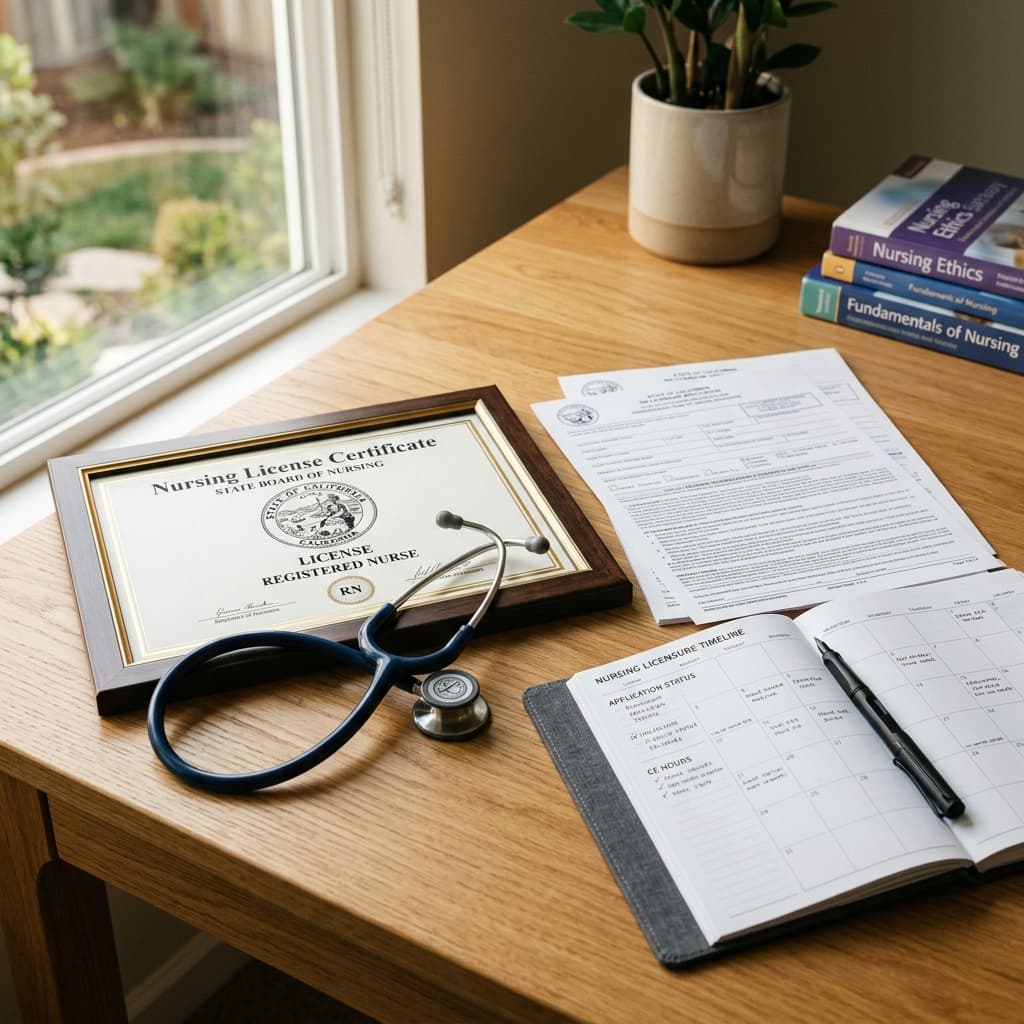
Key Takeaway: Since September 1, 2026, Wisconsin's APRN Modernization Act (2025 Wisconsin Act 17) has let qualified APRNs practice without a collaborative agreement, a step from Reduced Practice toward Full Practice Authority. Expect strict Schedule II stimulant restrictions, a required jurisprudence exam, and HRSA-designated Mental Health Professional Shortage Areas across the state. Wisconsin is a rapidly improving market for PMHNPs willing to track the 3,840 RN hours and 3,840 advanced practice hours required for independence. See current advertised pay for PMHNPs in Wisconsin.
If you are a Psychiatric-Mental Health Nurse Practitioner (PMHNP) considering practicing in Wisconsin, you are looking at a state with an evolving regulatory landscape and a stable job market. HRSA designates Mental Health Professional Shortage Areas across Wisconsin and publishes the current share of need met and the number of additional practitioners each area would take to clear.
The most exciting news for PMHNPs moving to Wisconsin is the recent passage of the APRN Modernization Act (AB 257), which paves the way for independent practice beginning in September 2026. Here is your complete, step-by-step guide to obtaining your PMHNP license in the Badger State.
Quick Reference Table
| Category | Wisconsin PMHNP Details |
|---|---|
| Practice Authority Type | Reduced Practice, with independent practice for qualified APRNs since Sept 1, 2026 (2025 Wisconsin Act 17) |
| Governing Board | Wisconsin Board of Nursing |
| Initial License Fee | See steps below |
| Renewal Period & Fee | Every 2 years |
| CE Hours Required | 16 hrs clinical pharmacology/therapeutics every 2 years (incl. 2 hrs responsible prescribing of CS) |
| NLC Compact State? | ✅ Yes |
| APRN Compact? | ❌ No |
| Average PMHNP Salary | See current advertised pay in Wisconsin |
| Prescriptive Authority | Yes, Schedule II-V (collaborative agreement until you meet the Act 17 hour requirements; strict stimulant limits) |
Fees, renewal periods, and CE hours above are set by the Wisconsin Board of Nursing. Verify the current amounts with the board before you apply.
Step-by-Step Licensure Guide
Since September 1, 2026, Wisconsin issues an advanced practice registered nurse (APRN) license under 2025 Wisconsin Act 17; before that date, prescribing NPs held an Advanced Practice Nurse Prescriber (APNP) certificate. Processing times vary, so apply well before your planned start date.
Step 1: Complete MSN or DNP with PMHNP Focus
Graduate from an accredited master's or doctoral program. To qualify for prescriptive authority, complete at least 45 contact hours in clinical pharmacology/therapeutics.
Step 2: Pass the ANCC PMHNP-BC Exam
You must maintain active national certification to practice.
| Membership Status | Exam Fee |
|---|---|
| Non-member | $395 |
| ANA member | $295 |
| AANP member | $340 |
These exam fees are set by the ANCC. Verify the current amount with the ANCC before you register.
Learn more about the PMHNP-BC credential
Step 3: Apply for Your WI RN License
Wisconsin is a Nurse Licensure Compact (NLC) state. If your primary state of residence is another NLC state, your multistate RN license covers you here.
Step 4: Apply for Your WI APRN License & Pass the Jurisprudence Exam
Apply to the Wisconsin Board of Nursing.
State requirement: Initial applicants for a Wisconsin APRN license must pass a jurisprudence examination under the Board of Nursing's revised Wis. Admin. Code N 8.03, as APNP applicants did before September 1, 2026.
Step 5: Establish a Collaborative Agreement with a Physician
Until you qualify for independent practice under 2025 Wisconsin Act 17 (in effect since September 1, 2026), establish a documented collaborative agreement with a physician.
- Required for both practice and prescribing
- Optional once you have 3,840 RN hours and 3,840 advanced practice hours working with a physician or dentist
Step 6: Register with the DEA
Apply for your federal DEA registration using your Wisconsin practice address.
- Fees: the DEA sets the registration fee, currently about $888 for 3 years. Verify the current amount with the DEA before you register.
Step 7: Apply for an NPI Number
Obtain your National Provider Identifier (NPI) via the CMS NPPES system (Free).
WI Practice Authority Details
Current status: Wisconsin is classified as Reduced Practice on our practice authority map, but since September 1, 2026, qualified APRNs can practice without a collaborative agreement.APRN Modernization Act (AB 257): Effective September 1, 2026
Wisconsin passed AB 257, allowing qualified APRNs to practice independently without a collaborative agreement starting September 1, 2026.
To qualify for independent practice, you need:| Requirement | Hours |
|---|---|
| Professional nursing in a clinical setting | 3,840 hours, with at least 24 months elapsed since you began the clinical hours of a qualifying nursing program |
| APRN practice with physician/dentist available for consultation | 3,840 hours, at least 24 months after you began advanced practice in that role |
Day-to-day impact: Before you sign a form or order that Wisconsin law may reserve for physicians, confirm with the board or your employer that APRNs may sign it. APNPs are authorized to pronounce date, time, and place of death.
Prescriptive Authority in WI
What can PMHNPs prescribe?APRNs can prescribe, administer, and dispense medications, under a collaborative agreement until they qualify for independent practice under 2025 Wisconsin Act 17.
Schedule II-V rules:Wisconsin allows prescribing Schedule II through V controlled substances, but with a major caveat for psychiatric practitioners:
Schedule II Stimulant Restrictions
Wisconsin heavily restricts prescribing of amphetamines and sympathomimetic amine drugs (most Schedule II ADHD medications). Under the advanced practice nurse prescriber rules (Wis. Admin. Code N 8.06), these may be prescribed only for the conditions below; confirm with the Board of Nursing how the limit applies under the APRN license that replaced the APNP certificate on September 1, 2026:
| Permitted Indication | Notes |
|---|---|
| Narcolepsy | Standard indication |
| Hyperkinesis (ADHD) | Standard indication |
| Drug-induced brain dysfunction | Specific neurological condition |
| Epilepsy | Standard indication |
| Treatment-resistant depression | Only when refractory to other treatments |
| Cancer pain | As adjunct therapy |
Critical for PMHNP practice: If you manage ADHD patients, ensure your diagnosis coding strictly aligns with Wisconsin's permissible exceptions. Consult with your collaborative physician on documentation requirements.
Telehealth Rules in WI
Can PMHNPs do telehealth?Yes. Wisconsin offers Medicaid reimbursement for both live video telehealth and remote patient monitoring (RPM).
Out-of-state requirements:Wisconsin is an NLC member. However, the APRN Compact is not enacted, so out-of-state PMHNPs must hold an active Wisconsin APRN license and maintain a collaborative agreement (until AB 257 qualifications are met).
Controlled substance teleprescribing:Federal DEA and HHS flexibilities allowing providers to prescribe controlled substances via telemedicine without a prior in-person evaluation have been extended through December 31, 2026. Wisconsin law still applies.
Browse telehealth PMHNP jobs or remote positionsSalary & Job Market
Average Salary
Pay varies by employer, setting and region. For what employers in the state are actually posting, see current advertised pay for PMHNPs in Wisconsin, which is built from live listings.
For a national reference point, the Bureau of Labor Statistics puts nurse practitioner pay at a median of $132,300 (BLS Occupational Outlook Handbook, Nurse Practitioners, as of May 2025). That figure covers all NP specialties, not PMHNPs specifically.
See our full 2026 PMHNP Salary Guide for national comparisonsMain PMHNP Markets
- Milwaukee: Advocate Aurora and Froedtert hub
- Madison: UW Health academic center
- Green Bay: northeast WI demand
- Appleton: Fox Valley market
- Eau Claire: western WI growing market
Demand Data
| Metric | Wisconsin Data |
|---|---|
| Mental Health HPSA designations | Present statewide, per HRSA |
| Share of need met in designated shortage areas | 35.88%, per HRSA as of September 30, 2026 |
| Additional practitioners needed | 85 to remove the shortage designations |
Major Employers
- Advocate Aurora Health: largest WI system
- UW Health: Madison academic powerhouse
- Marshfield Clinic Health System: central and northern WI
- Froedtert Health: Milwaukee academic medical center
- VA Health System: Milwaukee, Madison, and Tomah
- Community behavioral health centers: statewide
Loan Repayment & Incentive Programs
Practicing in Wisconsin's shortage areas unlocks loan forgiveness:
| Program | Award Amount | Service Requirement |
|---|---|---|
| Wisconsin State Loan Repayment Program (SLRP) | Award maximum varies by cycle: confirm the current amount with the program | Typically 2 years in an underserved area |
| NHSC SUD Workforce LRP | Up to $75,000 | 3 years full-time at an NHSC-approved SUD facility |
| NHSC Rural Community LRP | Up to $100,000 | 3 years full-time at a rural NHSC-approved facility |
The NHSC award maxima above are set by the National Health Service Corps and change between cycles. Verify the current amount with the NHSC before you apply.
Tips for PMHNPs Moving to WI
- Understand the Stimulant Restrictions: If you manage ADHD, familiarize yourself with Wisconsin's strict Schedule II amphetamine laws. Ensure your diagnosis coding (e.g., hyperkinesis) aligns with the state's permissible exceptions.
- Study for the Jurisprudence Exam: Wisconsin requires a jurisprudence examination for initial APRN licensure. Study the Wisconsin Administrative Code and Nursing Practice Act.
- Prepare for Independent Practice: Track your clinical hours meticulously. To drop your collaborative agreement after September 1, 2026 under AB 257, you need 3,840 hours of RN practice and 3,840 hours of advanced practice working with a physician or dentist.
- Focus Your CEs: APRNs must complete 16 hours in clinical pharmacology/therapeutics every two years, and those with prescriptive authority need at least 2 hours on responsible prescribing of controlled substances.
Frequently Asked Questions
Q: Is Wisconsin a Full Practice Authority state for PMHNPs?A: Partly. Since September 1, 2026, Wisconsin's APRN Modernization Act (2025 Wisconsin Act 17) has let APRNs practice independently once they have 3,840 hours of RN practice and 3,840 hours of advanced practice working with a physician or dentist. Until you meet both, you must maintain a collaborative agreement. Our practice authority map shows how each state is classified.
Q: Can PMHNPs in Wisconsin prescribe Adderall or other Schedule II stimulants?A: Yes, but under very strict circumstances. Wisconsin prohibits APNPs from prescribing Schedule II amphetamines except for specific indications such as hyperkinesis (ADHD), narcolepsy, treatment-resistant depression, epilepsy, or cancer pain.
Q: Is Wisconsin part of the Nurse Licensure Compact (NLC)?A: Yes, Wisconsin is an active NLC member. However, the APRN Compact is not enacted, so you need a Wisconsin APRN license for advanced practice.
Q: What are the CE requirements to renew my WI PMHNP license?A: Complete 16 contact hours in clinical pharmacology/therapeutics every two years, including at least 2 hours on responsible prescribing of controlled substances.
Ready to find PMHNP jobs in Wisconsin?
Browse Wisconsin PMHNP positions | All PMHNP jobs | 2026 Salary Guide