
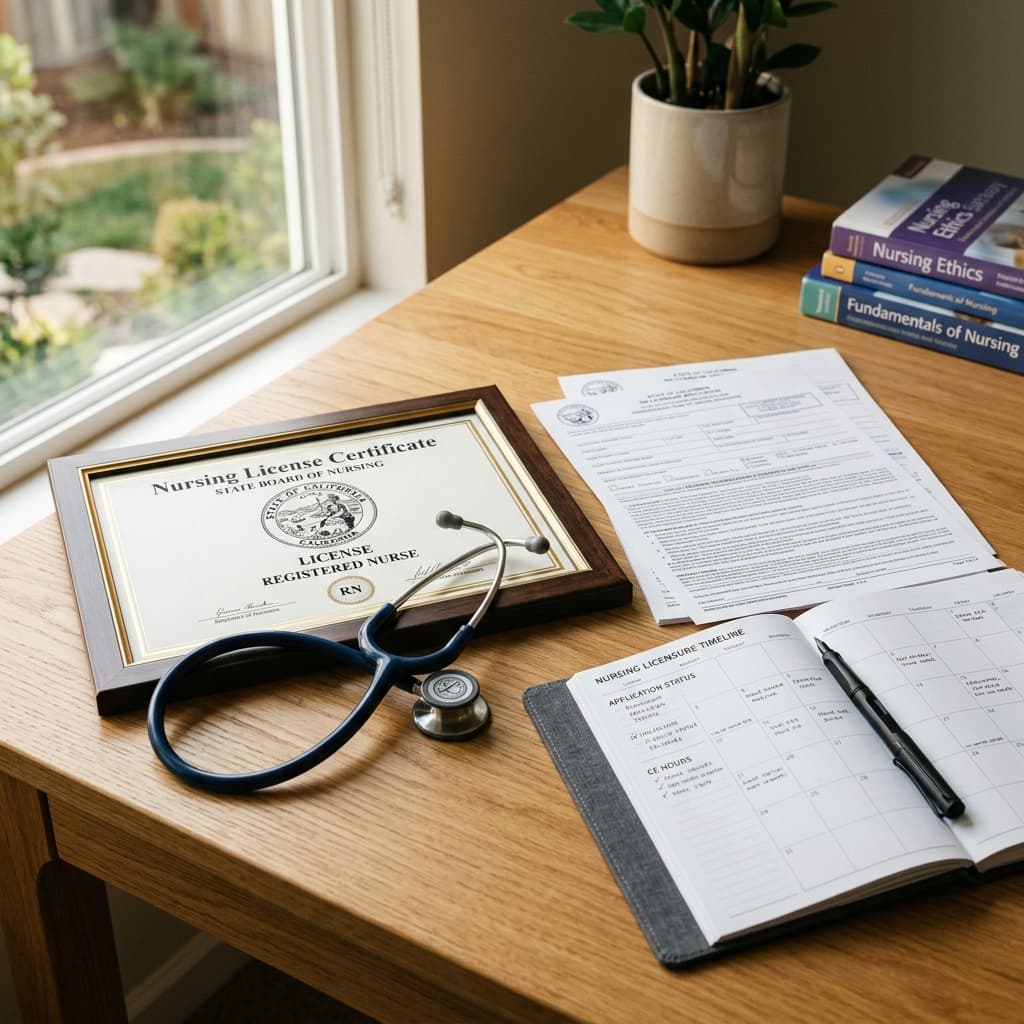
Key Takeaway: Utah is a Full Practice Authority state and a pioneer in nursing mobility, being one of the first states to enact both the NLC and APRN Compact (the APRN Compact is not yet operational). There is no transition period for general practice and no Schedule II mentorship under current law, and controlled substance prescribers need 3.5 hours of controlled substance prescribing CE each licensing period plus a one-time SBIRT class. HRSA's Mental Health HPSA data shows 97 practitioners still needed statewide as of September 30, 2026, so Utah combines top-tier autonomy with steady demand. See current advertised pay for PMHNPs in Utah.
Utah has rapidly become an incredibly attractive destination for Psychiatric-Mental Health Nurse Practitioners (PMHNPs). Utah is a Full Practice Authority state with no transition-to-practice requirements for general advanced nursing. Additionally, Utah is a pioneer in nursing mobility, having enacted both the standard NLC and the APRN Compact, although the APRN Compact is not yet operational.
HRSA's Mental Health HPSA data puts Utah at a relatively high 48.02% of assessed need met in its designated mental health shortage areas as of September 30, 2026, but the state still requires 97 additional practitioners to eliminate its designated HPSAs. Here is your comprehensive guide to obtaining your PMHNP license in the Beehive State for 2026.
Quick Reference Table
| Category | Utah PMHNP Details |
|---|---|
| Practice Authority Type | Full Practice Authority |
| Governing Board | Utah DOPL, Board of Nursing |
| Initial License Fee | See steps below |
| Renewal Period & Fee | Every 2 years |
| CE Hours Required | Maintain national certification (+ 3.5 hrs of controlled substance prescribing CE each licensing period and a one-time SBIRT class for controlled substance prescribers) |
| NLC Compact State? | ✅ Yes |
| APRN Compact? | Enacted (March 2022, one of the first states), not yet operational |
| Advertised PMHNP Pay | Current advertised pay in Utah |
| Prescriptive Authority | Yes, Full (Schedule II to V) |
Step-by-Step Licensure Guide
Utah is a member of the NLC, so RNs from other compact states may practice here on a multistate RN license. Utah has also enacted the APRN Compact, but it is not yet operational, so it does not replace a Utah APRN license.
Step 1: Complete MSN or DNP with PMHNP Focus
Graduate from an accredited advanced practice program. Utah requires course work in patient assessment, diagnosis and treatment, and pharmacotherapeutics, and sets no separate pharmacology hour count for Schedule II prescribing (Utah Code §§ 58-31b-302 and 58-31b-803).
Step 2: Pass the ANCC PMHNP-BC Exam
Maintain active national certification. The ANCC sets the exam fee and adjusts it periodically, so verify the current amount with the ANCC before you register.
| Membership Status | ANCC Exam Fee |
|---|---|
| Non-member | $395 |
| ANA member | $295 |
| AANP member | $340 |
Learn more about the PMHNP-BC credential
Step 3: Apply for Your UT RN License
Utah is an NLC state. If your primary state of residence is another NLC state, your multistate RN license is valid here.
Step 4: Apply for Your UT APRN License
Submit your APRN application to the Utah Division of Occupational and Professional Licensing (DOPL).
- Utah has enacted the APRN Compact, but the compact takes effect only once seven states enact it, and NCSBN said in April 2026 it is redesigning it. Until then there is no multistate APRN privilege to use in place of this license
Step 5: Schedule II Prescribing
Utah is an FPA state, so there is no collaborative agreement needed for general practice.
Utah Code § 58-31b-803 lets a licensed APRN prescribe or administer prescription drugs, including Schedule II to V controlled substances. It sets no mentorship, experience threshold, or separate pharmacology hour count for Schedule II prescribing. You still need a Utah controlled substance license and DEA registration (Step 6).
Step 6: Obtain DEA + UT Controlled Substance License
| Credential | Details |
|---|---|
| Utah Controlled Substance License | Separate application through DOPL |
| Federal DEA registration | Fee set by the DEA (roughly $888 for three years); verify the current amount with the DEA |
Step 7: Apply for an NPI Number
Obtain your National Provider Identifier (NPI) via the CMS NPPES system (Free).
UT Practice Authority Details
Current status: Utah is a Full Practice Authority state. No collaborative agreement needed:State law grants PMHNPs immediate authority to evaluate, diagnose, and prescribe without physician oversight.
Day-to-day impact:As an APRN in Utah, you are authorized to sign:
- ✅ POLST forms
- ✅ Advanced directives
- ✅ DNR orders
- ✅ Death certificates
Note: Whether a health plan lists an NP as a primary care provider depends on that plan's own rules, so check with each plan you credential with.
Prescriptive Authority in UT
What can PMHNPs prescribe?APRNs may independently prescribe and administer prescription drugs, therapeutic devices, and local anesthesia.
Schedule II-V rules:Utah allows full prescribing of Schedule II through V controlled substances.
Schedule II for new graduates:Utah Code § 58-31b-803 lets a licensed APRN prescribe or administer Schedule II controlled substances, with no mentorship or experience threshold in the current statute. You still need a Utah controlled substance license and DEA registration.
Telehealth Rules in UT
Can PMHNPs do telehealth?Yes. Utah law requires individual and group health benefit plans to cover telemedicine services that Medicare covers, and mental health treatment by telemedicine when the plan covers that treatment in person, paid at a negotiated commercially reasonable rate. These plans may not impose originating site restrictions (Utah Code § 31A-22-649.5).
Out-of-state requirements:Utah belongs to the NLC and has enacted the APRN Compact, but the APRN Compact is not operational yet. Plan on holding a Utah APRN license to treat patients located in Utah by telehealth.
Controlled substance teleprescribing:The DEA's temporary telemedicine rule allows prescribing of Schedule II to V controlled substances without a prior in-person evaluation through December 31, 2026, provided your DEA registration covers the schedule and you follow state law. Medicare telehealth flexibilities run separately, through December 31, 2027.
Browse telehealth PMHNP jobs or remote positionsSalary & Job Market
What the Role Pays
We publish what Utah employers are advertising rather than a headline figure we cannot trace to a source: see current advertised pay for PMHNPs in Utah, drawn from live listings on this site.
See our full 2026 PMHNP Salary Guide for national comparisonsMain Job Markets
- Salt Lake City: Intermountain + U of U Health hub
- Provo: Utah County growing market
- Ogden: Northern Utah demand
- St. George: Southern Utah / retirement community
- Park City: Destination resort community
Demand Data
| Metric | Utah Data |
|---|---|
| Share of need met in designated shortage areas | 48.02% (among highest in the West) |
| Additional practitioners needed | 97 to remove the shortage designations |
Major Employers
- Intermountain Health: Utah's largest health system
- University of Utah Health: Salt Lake City academic powerhouse
- VA Health System: Salt Lake City
- Community health centers: Statewide, especially rural southern/eastern Utah
Loan Repayment & Incentive Programs
Practicing in Utah's shortage areas unlocks loan forgiveness. The federal maximums below are set by HRSA's National Health Service Corps and the state award is set by the Utah Department of Health and Human Services; verify the current amount with the awarding body before you apply:
| Program | Award Amount | Service Requirement |
|---|---|---|
| Utah State Loan Repayment Program (SLRP) | Set by the state program each funding cycle | Typically 2 years in underserved area |
| NHSC SUD Workforce LRP | Up to $75,000 (NHSC maximum) | 3 years full-time at an NHSC-approved SUD facility |
| NHSC Rural Community LRP | Up to $100,000 (NHSC maximum) | 3 years full-time at a rural NHSC-approved facility |
Tips for PMHNPs Moving to UT
- Watch the APRN Compact: Utah enacted the APRN Compact in 2022, as have Delaware, North Dakota, and South Dakota, but it is not yet operational, so plan on a Utah APRN license for now.
- Line Up Your Controlled Substance License: Apply for your Utah controlled substance license through DOPL alongside your DEA registration. Current Utah law does not require a Schedule II mentorship for new graduates.
- Get Your Controlled Substance CE: Utah requires controlled substance prescribers to complete at least 3.5 hours of controlled substance prescribing CE each licensing period, plus a one-time 3.5-hour SBIRT class (Utah Code § 58-37-6.5).
- Renewal is Simple: To renew every two years, simply maintain your national certification. No separate general CE hour count is needed (unless you were licensed before July 1, 1992), apart from the controlled substance CE in Tip 3.
Frequently Asked Questions
Q: Is Utah a Full Practice Authority state for PMHNPs?A: Yes. Utah is an FPA state. PMHNPs can evaluate, diagnose, and prescribe without career-long physician oversight.
Q: Can PMHNPs in Utah prescribe Schedule II controlled substances?A: Yes. Utah Code § 58-31b-803 lets a licensed APRN prescribe Schedule II controlled substances, and the current statute sets no mentorship or experience threshold. You need a Utah controlled substance license and DEA registration.
Q: Is Utah part of the APRN Compact?A: Utah has enacted the APRN Compact, one of four states to do so with Delaware, North Dakota, and South Dakota. The compact is not operational yet: it takes effect only once seven states enact it, and NCSBN said in April 2026 it is redesigning it. Utah does belong to the Nurse Licensure Compact for RN licenses.
Q: What are the CE requirements to renew my UT PMHNP license?A: Maintain your national certification and renew every two years. Controlled substance prescribers need at least 3.5 hours of controlled substance prescribing CE each licensing period and a one-time SBIRT class.
Ready to find PMHNP jobs in Utah?
Browse Utah PMHNP positions | All PMHNP jobs | 2026 Salary Guide